


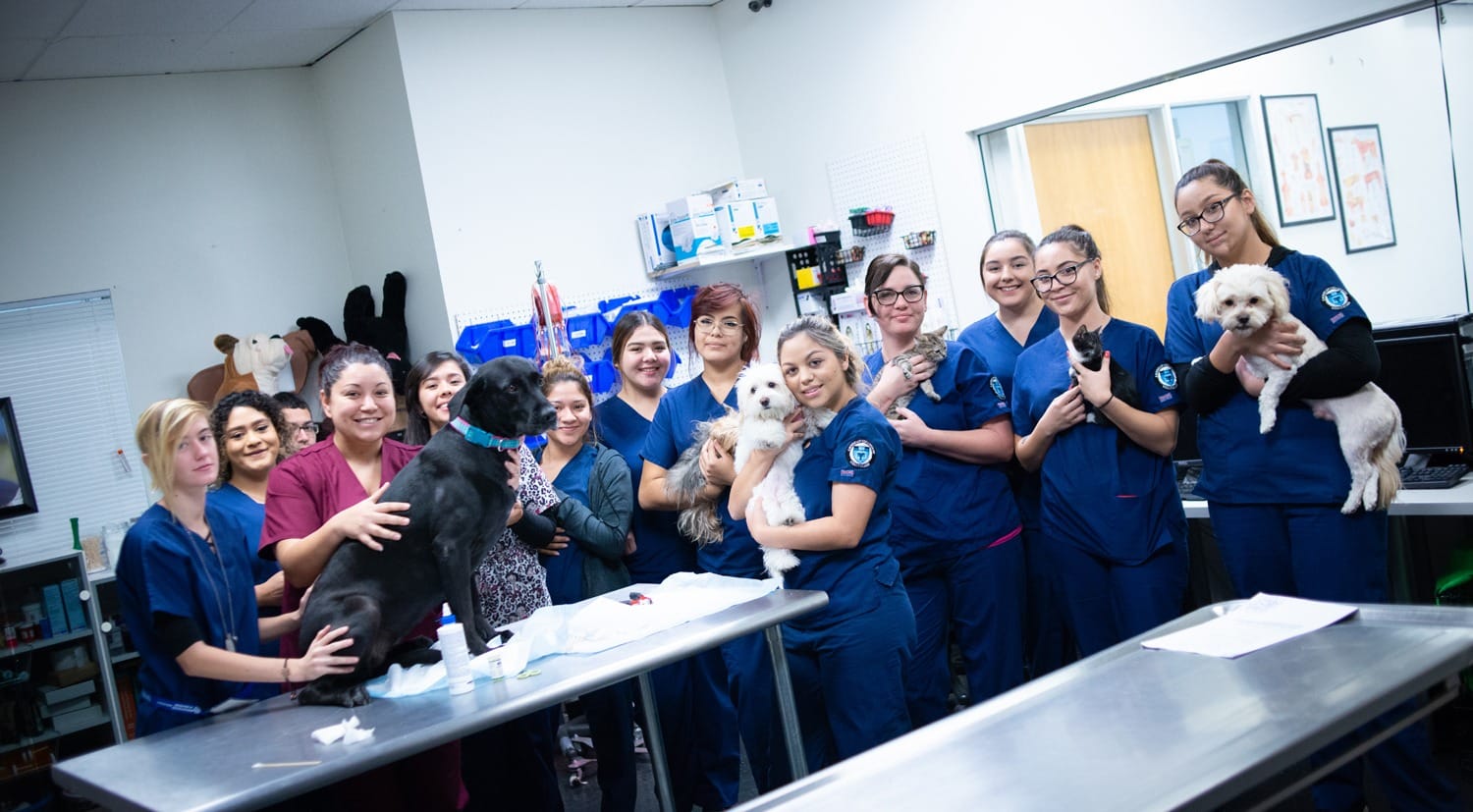
Working with animals is a dream for many people—but being a veterinary assistant is more than just cuddling puppies. It’s a fast-paced, hands-on career that requires compassion, attention to detail, and real responsibility. In this guide, we’ll walk you through what a typical day actually looks like—from early morning routines to end-of-day responsibilities.
What Does a Veterinary Assistant Do Daily?
Before diving into the schedule, here’s a quick snapshot of what veterinary assistants handle throughout the day. They play a critical role in keeping the clinic running smoothly while ensuring every animal receives proper care and attention.
Daily Responsibilities Include:
- Preparing the clinic for the day
- Monitoring hospitalized animals
- Assisting with exams and surgeries
- Communicating with pet owners
- Administering medications
- Cleaning and maintaining equipment

A Typical Daily Schedule
Here’s a simplified look at how a veterinary assistant’s day is structured:
| Time | Tasks |
|---|---|
| 7:30 AM | Open clinic, check overnight patients |
| 8:30 AM | Administer medications, clean cages |
| 10:00 AM | Surgery check-ins & prep |
| 12:00 PM | Assist with surgeries |
| 2:00 PM | Help with appointments |
| 5:00 PM | Closing procedures & patient care |
While this gives a general idea, no two days are ever exactly the same.
Morning Routine (7:30 AM – 12 PM)
Most days start early—and they move quickly.
If you’re scheduled as the “opener,” you’re responsible for getting the entire clinic ready before the rest of the team arrives. This means setting the tone for the entire day.
Your Morning Tasks Include:
- Turning on computers and diagnostic equipment
- Preparing X-ray and treatment areas
- Checking overnight patients
- Administering morning medications
- Preparing for incoming surgical cases
You’ll often arrive before the veterinarian, which means you must assess each patient and be ready to provide updates when they arrive.
Checking Overnight Patients (Rounds)
One of the most important responsibilities in the morning is performing rounds.
This is where your attention to detail really matters, especially since many of these animals are sick or recovering from procedures.
During rounds, you will:
- Check vital signs and update charts
- Clean cages and assess living conditions
- Monitor eating, drinking, and bathroom activity
- Walk dogs for exercise and evaluation
- Replace bedding, food, and water
You are essentially the first line of care—and your observations help guide the veterinarian’s decisions.
Surgery Check-Ins & Pre-Op Preparation
As the morning progresses, clients begin arriving with pets scheduled for surgery.
This is where your communication skills and medical awareness come into play.
You will:
- Take weight, temperature, and vitals
- Ask pre-op questions (e.g., last meal, symptoms)
- Review medical history
- Explain surgical risks to the pet owner
- Prepare and collect paperwork
After check-in, pets are placed in a safe, comfortable space while awaiting further evaluation.
Pre-Surgery Tasks
Before surgery begins, you assist with essential preparations to ensure everything runs safely and smoothly.
You may help with:
- Blood work
- Radiographs (X-rays)
- Catheter placement
- E-collar setup
- Anesthesia preparation and calculations
During and after surgery:
- Assist with induction
- Monitor vital signs
- Support recovery and ensure stability
Your role here is critical to both patient safety and surgical success.
Assisting with Appointments (Throughout the Day)
No two appointments are ever the same.
From routine check-ups to emergency visits, veterinary assistants play a key role in every stage of the process.
Your responsibilities include:
- Greeting clients and their pets
- Escorting them to exam rooms
- Taking vitals and assessing behavior
- Asking detailed medical history questions
- Documenting everything accurately
Because animals can’t communicate their symptoms, your ability to ask the right questions is essential.
Working with the Veterinarian
During exams, you act as the veterinarian’s right hand.
You will:
- Help restrain or comfort animals
- Assist during procedures
- Take notes and update records
- Prepare tools and equipment
After the exam:
- Present the treatment plan to the owner
- Administer vaccines or medications
- Continue patient care as needed
This cycle repeats throughout the day, keeping you constantly engaged.
End-of-Day Responsibilities
As the day winds down, your work isn’t over yet. Closing duties are just as important as opening tasks to ensure the clinic is ready for the next day.
End-of-day tasks include:
- Cleaning cages and treatment areas
- Re-checking patients
- Administering evening medications
- Walking animals
- Preparing the clinic for the next day
What Makes This Career Unique?
One of the most exciting aspects of being a veterinary assistant is the variety.
No two patients—and no two days—are ever the same.
You’ll encounter:
- Different types of animals
- New medical conditions
- Unexpected challenges
This constant change keeps the job dynamic, engaging, and deeply rewarding.
Is Being a Veterinary Assistant Right for You?
This career is a great fit for individuals who are passionate about animal care and comfortable working in a fast-paced environment.
You may be a good fit if you:
- Love working with animals
- Can handle emotional situations
- Enjoy hands-on, active work
- Work well as part of a team

Start Your Career with Confidence
If you’re serious about starting a career in veterinary care, getting proper training can make all the difference.
Programs like Veterinary Assistant Program at American College of Healthcare and Technology (ACHT) combine classroom learning with real-world clinical experience—so you’re fully prepared from day one.
One Response
I shadowed at a small vet clinic for a few days and this is pretty spot on—way more cleaning and prep work than I expected, not just playing with animals.