

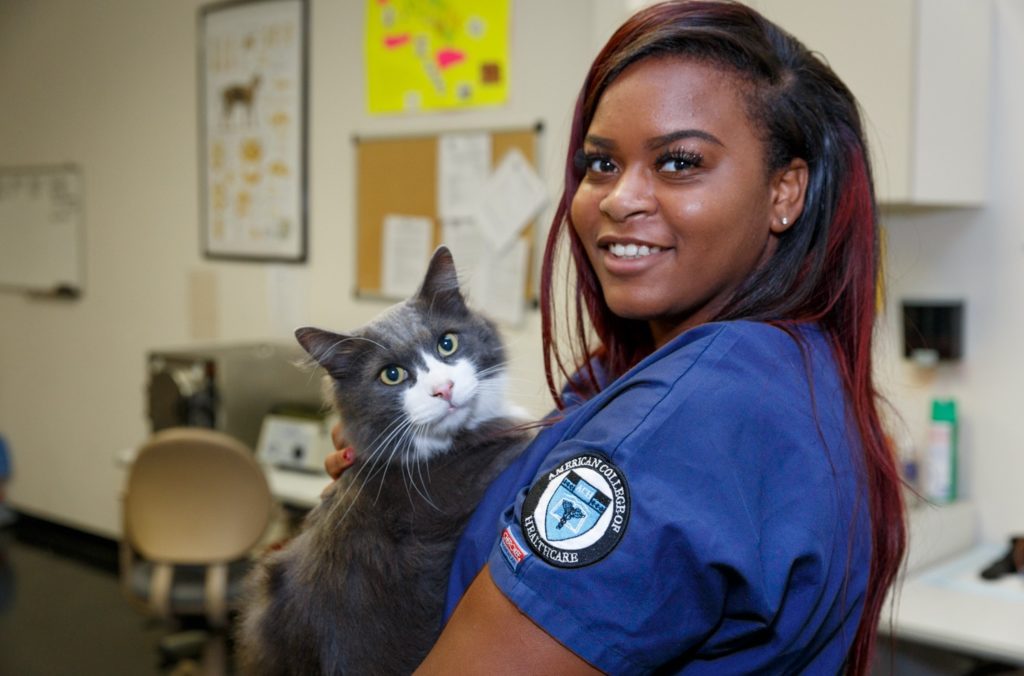
How To Become A Veterinary Care Assistant

How To Become A Veterinary Care Assistant

If you love working with animals and want a career where no two days are the same, becoming a Veterinary Care Assistant could be the perfect place to start. The best part? You don’t need years of school or a college degree to get in. In fact, many people begin working in this field in just a few months. In this guide, you’ll learn the fastest, simplest path to getting started—so you can turn your passion for animals into a real job, sooner than you think.

Step 1: Get a High School Diploma or GED

Before you can start working in a veterinary setting, you’ll need to meet the most basic education requirement. Almost all employers expect candidates to have at least a high school diploma or a GED.

If you haven’t completed high school, getting a GED is a fast and flexible option. Many programs are available online and can be completed in a relatively short time, making it an accessible starting point for most people.

The key thing to understand is that this step is simply your entry point—it doesn’t require years of study, and you don’t need a college degree to move forward in this career path.

Step 2: Enroll in a Veterinary Assistant Program

This is the step that separates casual applicants from serious candidates. While it’s technically possible to learn everything on the job, most employers prefer to hire people who already understand the basics of working in a veterinary environment.

A structured training program typically takes between 4 to 12 weeks and focuses on practical, job-ready skills. Instead of just learning theory, you’ll be introduced to real-world tasks such as animal care, basic medical procedures, and how a clinic operates day-to-day.

Here’s what a good training program usually provides:

What You LearnWhy It Matters
Animal handling and restraintKeeps both you and the animals safe
Basic clinical proceduresHelps you assist veterinarians effectively
Sanitation and infection controlEssential for maintaining a safe clinic environment
Workplace workflowPrepares you for real clinic situations

By the end of a program like this, you’re not just “qualified on paper”—you’re prepared to walk into an entry-level role with confidence.

Step 3: Gain Hands-On Experience

Even a small amount of real-world experience can significantly improve your chances of getting hired. Employers value candidates who are already comfortable working around animals and understand basic clinic environments.

There are several ways to build this experience without needing a full-time job right away:

  • Volunteering at animal shelters or rescue organizations
  • Participating in externships or short-term internships
  • Practicing safe animal handling under supervision

This stage is less about formal qualifications and more about building confidence. It also gives you something concrete to show on your resume, which can make a noticeable difference when applying for jobs.

Step 4: Apply for Entry-Level Jobs

Once you have basic training and some exposure to real-world environments, you’re ready to start applying.

Entry-level veterinary assistant roles are commonly available in:

  • Veterinary clinics
  • Animal hospitals
  • Pet boarding and care facilities

One important advantage of this field is that many employers are open to hiring beginners—especially those who have completed Veterinary Assistant Training Program and show a willingness to learn.

At this stage, your goal isn’t to find the “perfect job,” but to get your foot in the door and start building experience in a professional setting.

Step 5 (Optional): Get Certified

Certification is not required to work as a veterinary assistant in most states, but it can give you a competitive edge.

Organizations like the National Association of Veterinary Technicians in America (NAVTA) offer certification options that validate your knowledge and skills. While optional, certification can:

  • Strengthen your resume
  • Help you stand out in competitive job markets
  • Improve your chances of earning a higher starting salary

For many people, certification becomes a smart next step after gaining some initial experience in the field.


Want the Fastest Path?

The most efficient way to become a Veterinary Assistant is simple:

  • Get trained in a short, focused program
  • Build real-world, hands-on experience
  • Start applying as soon as you’re job-ready

But this is where many people get stuck.

Not because the process is complicated— but because it’s hard to know which training programs actually prepare you for real clinic work, and which ones just cover the basics without making you job-ready, You can always count on ACHT College for the best programs.

One Response

  1. I started looking into this recently and didn’t realize how important hands-on experience is. Volunteering at a clinic actually helped me understand the role way better.

Leave a Reply

Your email address will not be published. Required fields are marked *

To learn more, please fill out the form below

  • This field is for validation purposes and should be left unchanged.